Real stories

Stories from our community

The people we've helped, the programs that made it possible, and the difference your support makes.

The light aircraft purchased by Health Assist to support Angel Flight

Health Assist Takes Flight

In an effort to bridge the gap between remote areas and urban centres, Health Assist has taken a remarkable step forward. Health Assist has announced the purchase of an aircraft to support the noble cause of Angel Flight. This endeavour is set to commence in April 2024, with plans to conduct one flight per month initially. As demand grows, Health Assist is prepared to ramp up its efforts and extend its reach to communities in need.

The significance of this initiative cannot be overstated. For those residing in rural or remote areas, access to medical care can often be a challenge. Factors such as distance, lack of transportation, and limited resources can significantly impact one's ability to seek and receive timely medical attention. By conducting these flights, Health Assist aims to address this issue and ensure that all individuals, regardless of their geographic location, have access to the care they need.

Angel Flight is a well-established charity with a long history of providing essential medical transportation services to those in need. By collaborating with this organisation, Health Assist is not only enhancing its outreach but also contributing to a cause that directly impacts the lives of countless individuals. The decision to purchase an aircraft underscores Health Assist's commitment to supporting charitable initiatives and making a positive impact on society.

Health Assist is proud to support Angel Flight in this endeavour and looks forward to witnessing the positive impact that their efforts will have on communities across the country. As we take to the skies with Angel Flight, we encourage everyone to follow our journey and their stories in order to show your support for this vital cause. Together, we can make a difference and ensure that no one is left behind when it comes to accessing essential medical care.

Helping to Relocate a Member in Need

At Health Assist, our commitment to community well-being goes beyond providing health and wellness services. We believe in lending a helping hand whenever and wherever it's needed. Recently, we had the opportunity to make a significant difference in the life of a struggling community member by covering their relocation costs during a time of desperate need.

Life can be unpredictable, and unforeseen circumstances can put tremendous strain on individuals and families. For one of our community members, such a moment arrived, making relocation not just an option but a necessity. Faced with financial hardship, the prospect of moving to a safer and more suitable environment seemed out of reach.

We are proud to have been able to help this community member during such a critical time, and we remain dedicated to our mission of supporting health and well-being in every way we can.

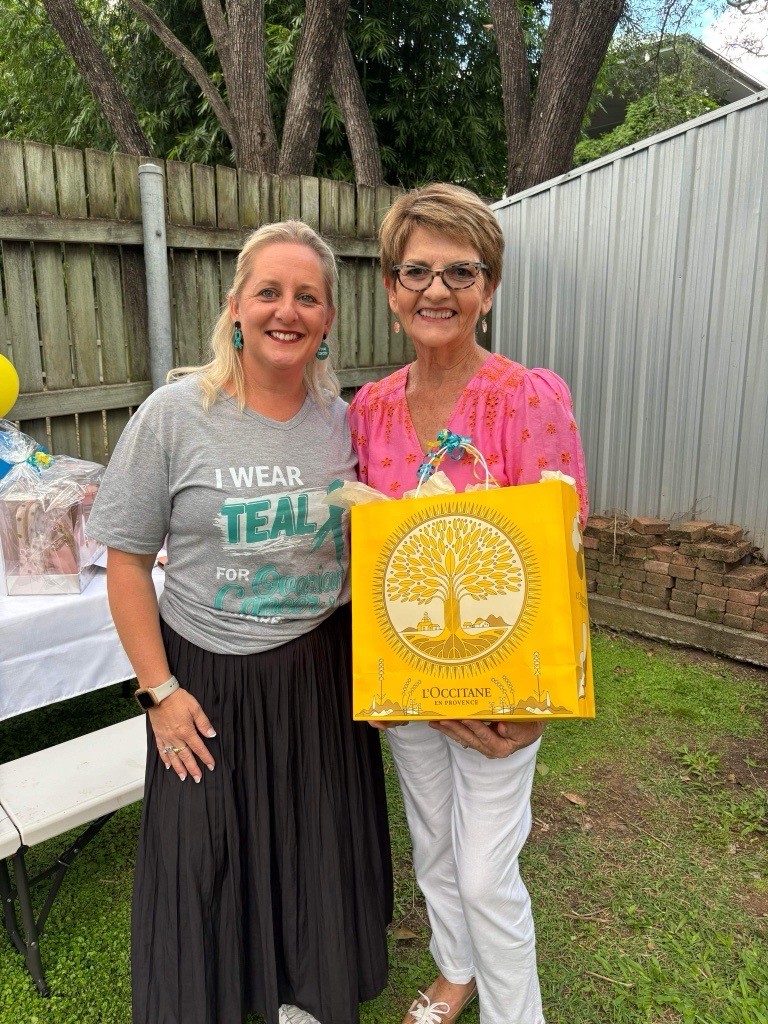
Australia's Biggest Morning Tea event supported by Health Assist

Health Assist Donates to Australia's Biggest Morning Tea

In a heartwarming show of support, Health Assist has proudly donated a prize to Australia's Biggest Morning Tea, organised by Kate. This beloved annual event brings communities together across the nation to raise vital funds for cancer research, prevention, and support services.

Australia's Biggest Morning Tea has long been a cherished tradition, providing an opportunity for friends, families, and colleagues to gather over a cuppa and make a difference in the fight against cancer. Each year, participants host morning teas in their homes, workplaces, schools, and community centres, all united by a common goal: to support the Cancer Council's mission of beating cancer.

This donation exemplifies Health Assist's commitment to promoting health and wellbeing, aligning perfectly with the Cancer Council's efforts to improve the lives of those affected by cancer. By supporting Australia's Biggest Morning Tea, Health Assist is helping to fund groundbreaking research, provide crucial support services, and educate the community on cancer prevention and early detection.

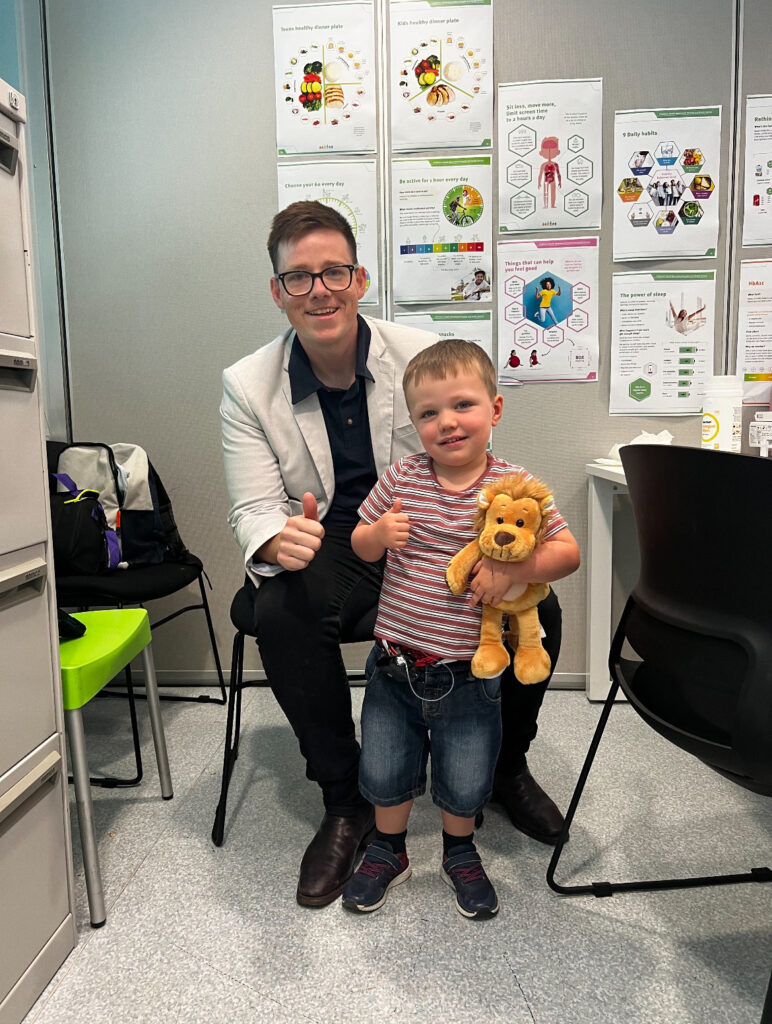
Aaron Brown from Health Assist with young Leo as he receives his insulin pump
Aaron Brown from Health Assist with young Leo as he receives his insulin pump donated by Health Assist.

"We cannot express our gratitude enough"

It has been seven weeks since Leo was diagnosed with diabetes and it has completely turned our world upside down. We have had to rapidly learn about so many new things — as you can imagine, our lives were already hectic with a young family. Now, on top of everything we have to count carbs, monitor blood levels and ketones and administer insulin with every meal and snack. Our time has been consumed by hospital visits and doctor appointments.

The doctors recently suggested that an insulin pump would be the best solution for Leo. This is where Health Assist professionals came in and brought immense joy to our faces. When you informed us that you would be happy to provide Leo with an insulin pump we were overwhelmed with gratitude. This machine is truly amazing and brings a sense of safety, practicality and ease to Leo's life and everyone around him. Since he is so young, the pump is perfect as he only requires very small doses of insulin which the pump can deliver. In comparison, the old manual method we were using could only provide him with 0.5 units.

Thanks to you all and the incredible team at the Children's Hospital, Leo received his pump today. We feel incredibly blessed and happy to know that there are such wonderful people and organisations that go above and beyond to help others.

Thank you from the bottom of our hearts.

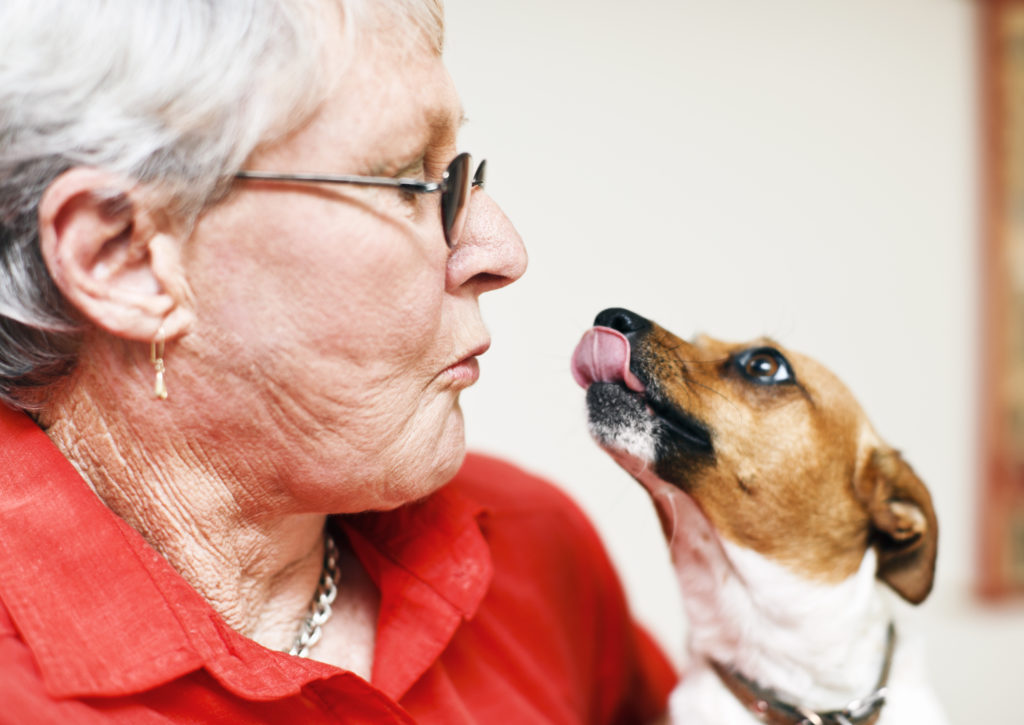
An elderly woman with her companion dog

Loving your Pet in Old Age

Imagine for a moment what it's like for an elderly person with pets to care for. Your husband died last year and your daughter and her family live interstate. You've been quite independent up till now, but you had a fall and need a hip replacement.

Your main companion is a little Jack Russell — let's call him Zippy. He's a little old now himself, prefers a snuggle by the heater to chasing butterflies, but still likes his daily outing to the shops and the park.

How do you care for Zippy when you can't take him for walks anymore, you can't even bend down to clean up his messes out in the garden? What if you must go into hospital for a few weeks — who will look after him then? The doctor is telling you that perhaps it's time for Zippy to find another home; after all, you'll be more susceptible to illness after your surgery.

For most of us, getting rid of our fur babies is incomprehensible, and the science agrees. The benefits of pet ownership are many and varied and, with care, far outweigh any risks.

Physiological benefits

The cardiovascular benefits of pet ownership are equal to cutting out salt or alcohol. Patients live longer after a heart event, have lower blood pressure, lower cholesterol and decreased muscle tension. Studies show that elderly patients have a decreased heart rate and a higher skin temperature whilst petting a dog or watching fish in an aquarium. What's more, elderly pet owners have fewer visits to the doctor than patients without pets.

Psychological benefits

Just being around pets, let alone petting them, lowers anxiety and the risk of stress-related illness. Pet owners report less depression and appear to cope with grief, stress and loss better than non-pet owners. Pets increase levels of happy hormones like dopamine and endorphins and lower the stress hormone cortisol.

Animal Assisted Therapy can reduce loneliness and significantly reduce fear and stress in the elderly. Alzheimer's patients are calmer, have better social interactions and have fewer nutritional issues when there is a pet in the home. The bereaved also benefit from the love of their animals — recently widowed people with pets had fewer physical and psychological issues and a lower incidence of depression.

Social benefits

Animals help us to interact socially. Disabled people get more smiles and nods from strangers when they have a dog with them; the elderly find people stop to talk and pat their dog. Our pets increase our social connectedness and are a great conversation starter!

They also keep us company when we are sad and lonely. We all know the resting of a dog's muzzle on our knee or the comforting purr of a cat can lift your mood and your hopes. Homeless people often report that their pet is their only friend, and would not consider accommodation that would not include their pet.

The role of the medical professional

Traditionally doctors have not paid attention to pet ownership as a health aid, but it is now recommended that doctors add a question about pet ownership to their patient intake forms. There are simple guidelines for reducing risk to patients with autoimmune diseases who have pets in their home. When families and communities support animal ownership, the benefits are strengthened.

Back to Zippy. Zippy doesn't know this, but his owner is typical of elderly women. Women live longer than men so tend to be on their own, are more likely to have mobility issues after the age of 65, and are even more likely to own dogs. The greater prevalence of disabling conditions like fractures, osteoporosis, back problems, arthritis and depression means a diminished quality of life among ageing women compared to men.

Add to this, older women are the fastest growing group of homeless Australians. A shortage of affordable housing, the ageing population and the significant gap in wealth accumulation between men and women across their lifetimes are considered serious impacts. What does this mean for their relationship with their beloved animals?

Zippy doesn't want to leave his mum, but he has his own needs: regular nutrition, access to clean drinking water, a clean environment and regular social interaction and exercise. Luckily Zippy's mum has some help. He has his own Health Assist carer to come and take him for a walk, make sure the backyard is clean of 'bombs' and give him a brush and some love several times a week.

At Health Assist we recognise that having a pet can satisfy the need to be needed. While pets give affection and act as a social aid, they are also a responsibility. We want to keep patients and pets together to take advantage of the healing benefits of their precious companions. That's what Health Assist is all about — helping Australians get back to good health.

References

Want to be part of the next story?

Whether you need support or want to give it, we'd love to hear from you.